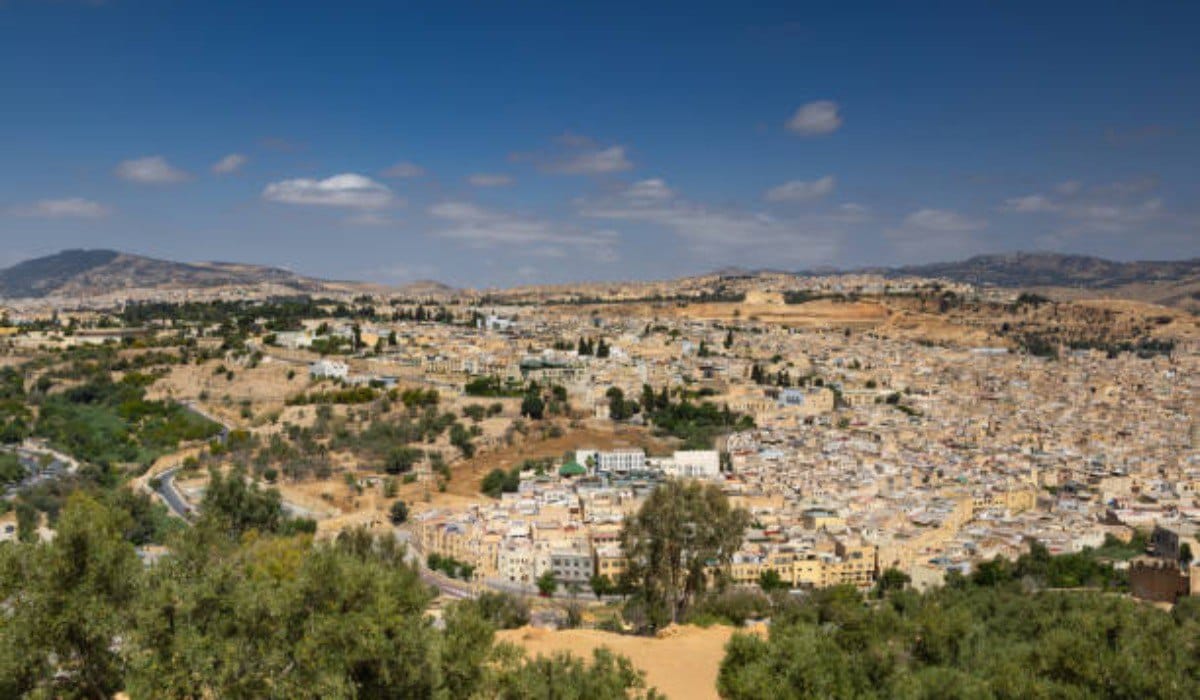
Morocco is a country with a unique cultural and natural diversity, combining the magic of the desert, mountain ranges, beaches, and ancient cities. Despite all this beauty, there are still times of the year that may not be ideal for a visit, whether due to weather conditions, heavy tourism, or high costs. In this article, we’ll review the worst time to visit Morocco so you can plan your trip and visit Morocco at the right time.
What Is the Worst Time to Visit Morocco?
The worst time to visit Morocco varies depending on the visitor’s preferences. However, in general, July and August are the most challenging months for visitors, especially in the interior regions such as Marrakesh, Fez, and Rabat, where temperatures exceed 40°C. This makes exploring the ancient cities or deserts challenging. Crowds in popular tourist destinations can also increase discomfort. Therefore, it’s best to avoid summer if you can’t tolerate high temperatures.
Read more: Is July A Good Time to Visit Morocco?
What Is the Cheapest Time to Visit Morocco?
The most affordable months to visit Morocco are January, February, and May. During this time, travelers can enjoy the lowest rates on hotels and flights while still experiencing pleasant weather and a wide range of activities. These cooler, less crowded months make it easy to explore Morocco while keeping costs down.
Read more: Morocco Summer Tours
Why Are Some Months Not Ideal for Morocco Beaches or Desert Tours?
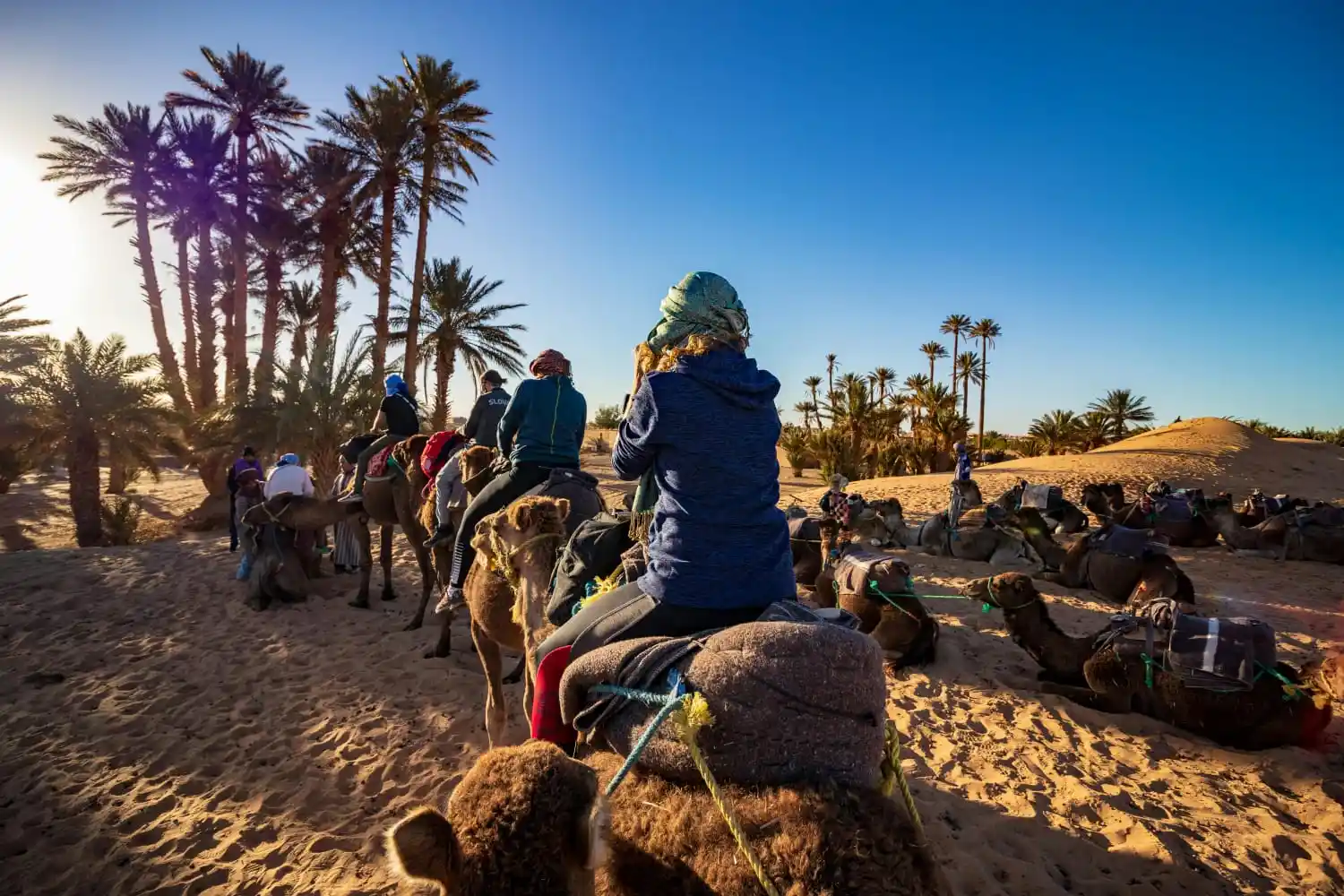
Extreme temperatures make certain months challenging for specific activities. July and August can be too hot for desert tours or city sightseeing, while winter months can be windy or rainy along the coast. Planning around these months ensures you enjoy beach visits in Essaouira or Agadir and desert experiences in Merzouga comfortably. Using a guided tour like Morocco MW Tours lets you pick the best days and times for your activities.
Discover Our Best Morocco Group Tours

View all Morocco Group Tours
What Are Packing Tips for Traveling to Morocco in Extreme Weather?
Morocco’s climate can vary dramatically from hot desert days to chilly mountain nights. Pack light, breathable clothing for daytime, layers for cooler evenings, comfortable walking shoes, and a hat and sunscreen for sun protection. Don’t forget a light rain jacket if visiting during winter months or the Atlas Mountains. Proper packing ensures comfort whether you’re exploring Marrakech souks, hiking in the desert, or visiting historical sites.
What Is the Safest City in Morocco for Tourists?
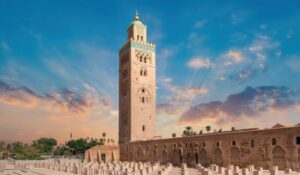
Marrakech and Essaouira are among the safest cities for tourists in Morocco:
Marrakech
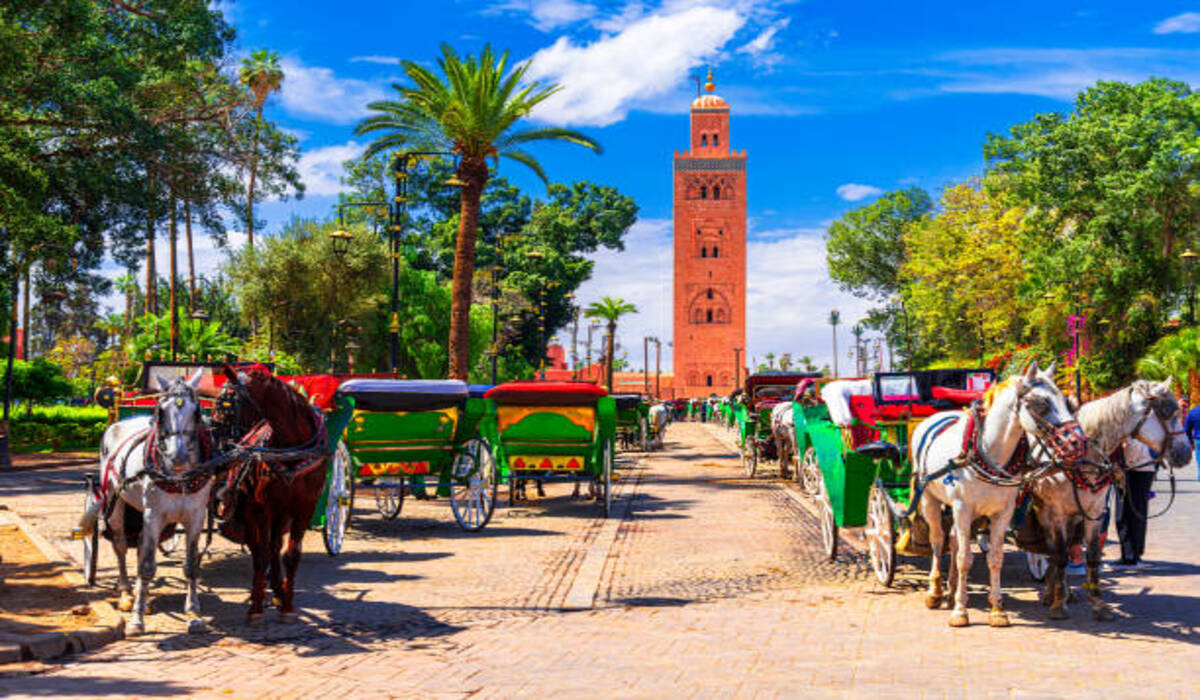
Although Marrakech is a vibrant and crowded city, it is relatively safe for visitors, especially in tourist areas like the Medina and Jemaa el-Fnaa Square. Tourist police are present, and locals are accustomed to foreigners and treat them with kindness and respect. However, some precautions should be taken, such as: avoiding wandering alone in narrow alleys at night, not carrying large sums of money, and being wary of scams.
Essaouira
Essaouira is a quiet coastal city on the Atlantic Ocean, known for its friendly atmosphere and high safety. Essaouira is ideal for families, solo women travelers, and those new to Morocco.
Read more: Morocco Tours in January
What Is the Most Popular Holiday in Morocco?
Holidays in Morocco are a mix of religious and national holidays. Among these, Ramadan, Eid al-Fitr, and Eid al-Adha stand out as the most popular and influential holidays in the country’s daily life.
What to Skip in Morocco?
Although Morocco is a welcoming and diverse country, there are some things to avoid to ensure a positive and safe experience:
Inappropriate Dress
Wearing revealing clothing, especially for women, may attract attention or be perceived as disrespectful to local culture. It’s best to dress modestly, especially in traditional cities or during religious occasions.
Walking Around at Night Alone
In major cities like Casablanca or Tangier, avoid deserted areas or alleys late at night, especially when alone.
Taking Taxis without Prior Agreement on the Price
Always negotiate with the driver or ensure the meter is on before setting off. Some drivers exploit tourists with unrealistic fares.
What Is the Best Area to Stay in Morocco?
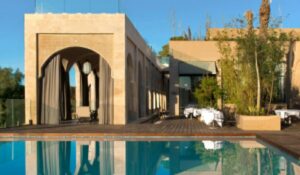
Choosing the best area to stay in Morocco depends on the type of experience you’re seeking: Do you want to immerse yourself in Moroccan culture? Do you prefer a laid-back coastal atmosphere? Or perhaps you dream of a desert adventure? Here are the top options:
Marrakech
Marrakech is the ideal choice for those seeking to experience authentic Moroccan life. Staying in a traditional riad within the Medina offers a unique experience, combining architectural comfort with warm Moroccan hospitality.
Fez
Fez is the oldest imperial city in Morocco and is home to Al-Qarawiyyin University, one of the oldest universities in the world. Its old city is filled with artisans, tanneries, and Quranic schools. Living in Fez offers a unique educational and cultural experience, where you can experience living history.
Essaouira
Essaouira is a coastal city on the Atlantic Ocean, known for its laid-back atmosphere and Portuguese walls. The city is small, making it ideal for relaxing or strolling. Its Andalusian and African-influenced culture makes it an artistic and relaxing destination.
Casablanca
Casablanca is the economic capital of Morocco, known for its skyscrapers, shopping malls, and upscale restaurants. It’s ideal for travelers seeking a luxurious stay or a Moroccan experience with a modern twist.
In conclusion, choosing the right time to visit Morocco depends on your travel goals. If you’re avoiding extreme heat or rain, avoid August and November, which are considered the worst time to visit Morocco. However, with careful planning, you can enjoy Morocco’s beauty at any time of the year, as each season has its own unique character.
Discover Our Best Morocco Luxury Tours


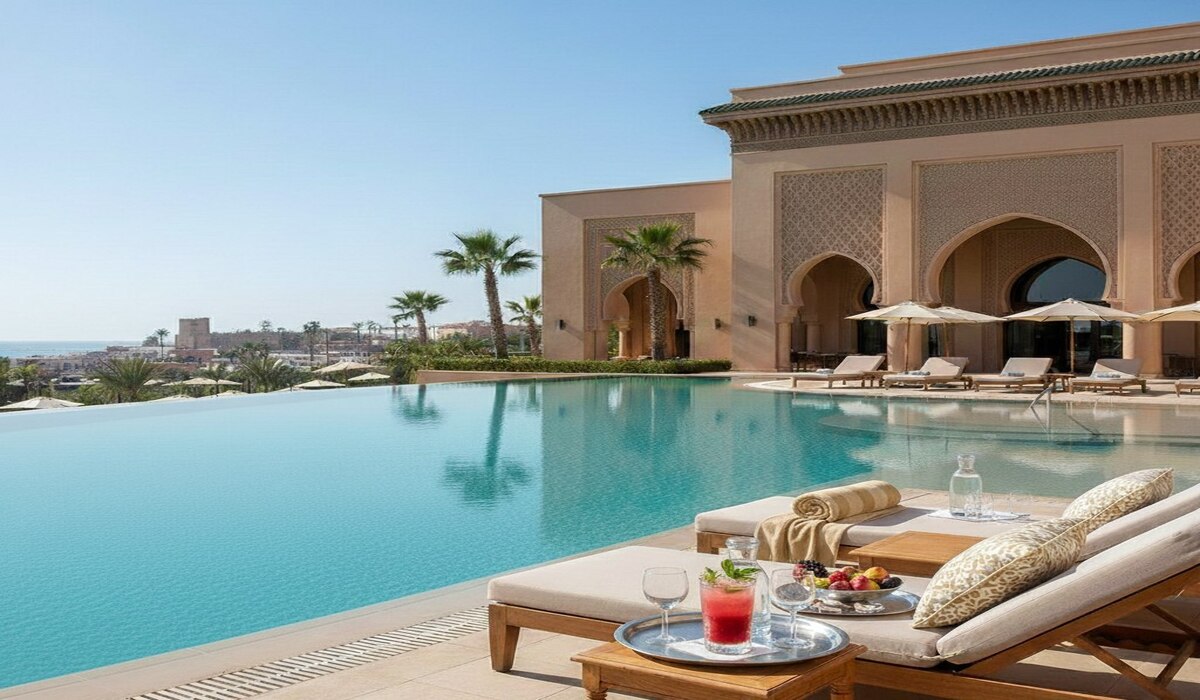
View all Morocco Luxury Tours
Join us now to enjoy the beauty of Morocco and have an unforgettable experience!
People Also Ask
What Is the Rainiest Month in Morocco?
November is the wettest month, especially in the northern regions. Average rainfall is 40.6 mm, which may limit outdoor activities in some areas.
What Is the Cheapest Month to Visit Morocco?
January and February are the cheapest months to visit, as they fall during the low tourist season, with lower hotel and flight prices.
How Many Days in Morocco Is Enough?
A period of one to ten days is ideal to discover the diversity of cities and landscapes in Morocco.