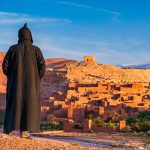
Morocco during Ramadan is a country transformed. The rhythm of daily life slows and deepens, the streets grow quiet by day and come alive at night, and a profound sense of togetherness settles over every city and village. For travellers seeking more than sightseeing, visiting Morocco in this holy month offers a rare window into the spiritual heart of a nation, where faith, food and family come together in the most beautiful way.
This guide explores what it is like to travel through Morocco during Ramadan and how to make the most of the experience. It is written for the thoughtful traveller, including British Muslims who love combining cultural journeys with acts of worship, and who may also be researching Cheap Umrah Packages for the pilgrimage to Makkah in the same year. Whether Morocco is your destination or one stop on a wider spiritual journey, Ramadan reveals the country at its most soulful.
What Is Ramadan like in Morocco?
Ramadan is the ninth month of the Islamic calendar, when Muslims fast from dawn until sunset, abstaining from food and drink and focusing on prayer, charity and self-reflection. In Morocco, a country where faith runs deep, the whole rhythm of life shifts to honour this sacred time.
During the day, many shops and restaurants keep shorter hours, and the pace is noticeably calmer. As sunset approaches, a quiet anticipation builds. Then, at the sound of the maghrib call to prayer, families gather to break their fast in a moment of gratitude and joy. For a visitor, witnessing this daily ritual is deeply moving, a reminder of the values of patience, community and devotion that lie at the heart of Moroccan culture.
The Magic of Iftar: Breaking the Fast
The evening meal that breaks the fast, known as Iftar, is the highlight of each Ramadan day. Across Morocco, families and friends come together around tables laden with traditional dishes, and travellers are often welcomed warmly to share in the experience.
A typical Moroccan Iftar begins with dates and milk, following the tradition of the Prophet ﷺ, before moving on to harira, a hearty soup of tomatoes, lentils and chickpeas that is a Ramadan staple. Sweet treats such as chebakia, a honey-coated sesame pastry, and briouat complete the spread. Sharing an Iftar with a Moroccan family, whether through a guided cultural experience or an unexpected invitation, is often the most treasured memory a traveller takes home.
Cities that Shine During Ramadan
Every Moroccan city has its own Ramadan atmosphere, and part of the joy is discovering how the mood changes from place to place.
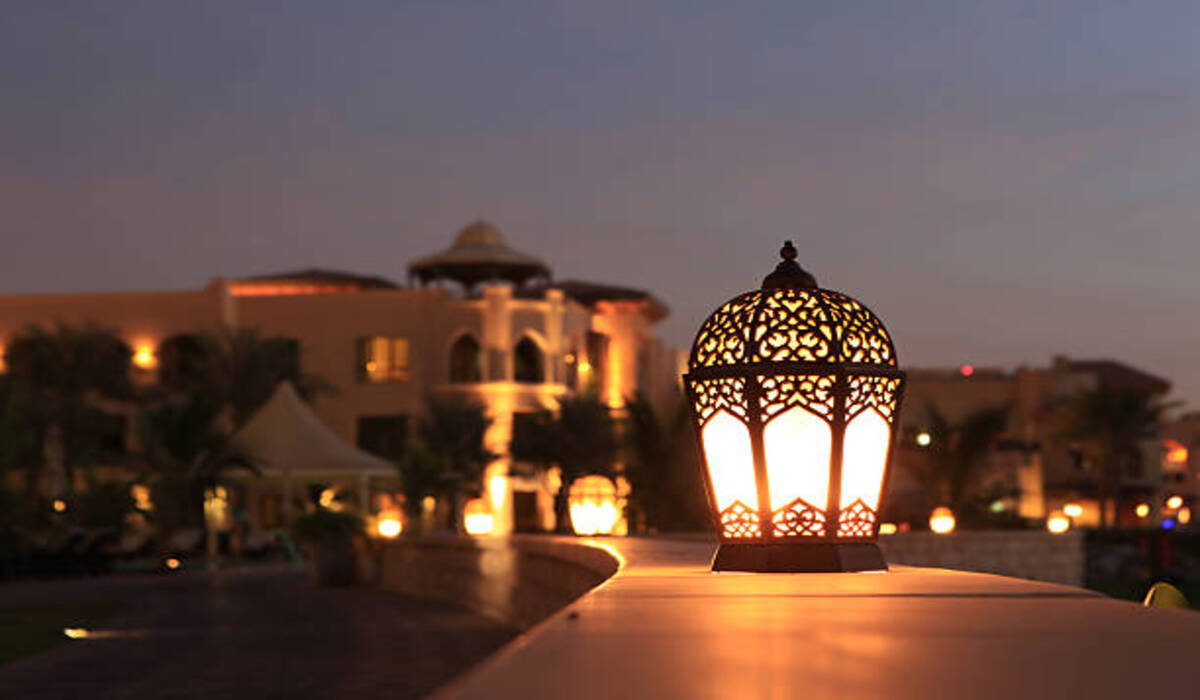
- Fes comes alive after dark, its ancient medina glowing with lanterns as worshippers make their way to the great mosques.
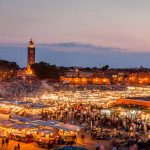
- Marrakech balances its lively tourist energy with quiet devotion, and the Koutoubia Mosque stands serene above the bustle of Jemaa el-Fna square.
- Rabat and Casablanca offer a more modern Ramadan experience, where families gather in cafés and along the coast after Iftar.
- Chefchaouen, the blue city, takes on an especially peaceful air, its painted lanes hushed and reflective.
Exploring these cities during Ramadan reveals a side of Morocco that many ordinary tourists never see, one rooted in faith and community rather than commerce.
Planning a Ramadan Trip: Practical Tips
Travelling during Ramadan takes a little sensitivity and planning, but the rewards are immense. Here are some practical points to keep in mind for a smooth and respectful journey:
- Respect the fast in public, avoiding eating or drinking openly in the streets during daylight hours out of courtesy.
- Adjust your schedule, planning sightseeing for the morning and resting in the afternoon, as many locals do.
- Embrace the nightlife, since the hours after Iftar are when markets, cafés and streets buzz with energy.
- Book accommodation thoughtfully, choosing hotels that understand and cater to the Ramadan rhythm.
The timing of Ramadan shifts each year according to the lunar calendar, so it is worth checking the dates well in advance. Many faith-minded travellers who plan a Ramadan trip to Morocco also look ahead to their pilgrimage, and those comparing options for Umrah 2027 from UK often find it helpful to organise their spiritual travel calendar early, so that a cultural journey and the sacred pilgrimage can be balanced comfortably across the year. A little forward planning ensures neither experience feels rushed.
View our best Morocco group tours
Prayer and Worship for the Travelling Muslim
For Muslim travellers, Morocco is wonderfully accommodating. Mosques are found in every town and city, and the call to prayer marks the hours of the day wherever you go. While many of the grand historic mosques are reserved for worshippers, their courtyards and surroundings often welcome visitors to pause and reflect.
The Hassan II Mosque in Casablanca is a notable exception, opening its doors to visitors of all faiths on guided tours outside prayer times. During Ramadan especially, the atmosphere inside Morocco’s mosques is charged with devotion, as worshippers gather for the special night prayers known as Taraweeh. Joining or observing these prayers, where appropriate, is a powerful way to connect with the spiritual pulse of the country.
Beyond the cities: Ramadan in the Countryside
While the cities offer a vibrant Ramadan experience, the countryside reveals a gentler, more traditional side of the holy month. In the villages of the Atlas Mountains and the towns bordering the Sahara, Ramadan is observed with a timeless simplicity that has changed little over generations.
Here, the breaking of the fast is a communal affair, and hospitality towards travellers is legendary. A traveller passing through a Berber village at sunset may well find themselves invited to share dates and mint tea with a local family. These moments of genuine human connection, far from any tourist trail, are what make a Ramadan journey through Morocco so unforgettable.
Final thoughts
Experiencing Ramadan in Morocco is unlike any ordinary holiday. It is a journey into the spiritual soul of a country, where the simple acts of fasting, prayer and sharing a meal take on profound meaning. From the lantern-lit medinas of Fes to the quiet villages of the Atlas, the holy month reveals a Morocco of warmth, devotion and unforgettable hospitality.
For the traveller willing to embrace its rhythms, a Ramadan trip offers memories that last a lifetime. Plan thoughtfully, travel with an open and respectful heart, and allow yourself to be swept up in the beauty of a nation at its most reflective. Whether it stands alone or forms part of a wider year of sacred travel, Morocco in Ramadan is a gift for the soul.
People Also Ask
Can non-Muslims travel to Morocco during Ramadan?
Yes, travellers of all backgrounds are welcome. Being respectful of the fast in public and adjusting to the slower daytime pace will make the experience smooth and rewarding.
Will restaurants be open during Ramadan?
Many restaurants in tourist areas remain open, though some local eateries close during the day and reopen after sunset. Hotels generally continue to serve meals to guests as usual.
Is Ramadan a good time to visit Morocco?
For those interested in culture and spirituality, it is a wonderful time to visit. The atmosphere is unique, though travellers should expect a quieter daytime pace and livelier evenings.
When is Ramadan in Morocco?
Ramadan follows the lunar calendar and moves roughly eleven days earlier each year, so the exact dates change annually. Always check ahead when planning your trip.