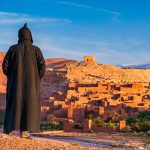
Morocco cultural heritage shaped by a tapestry of Berber, Arab, and French influences, renders it a fascinating destination for adventure tours. The Berbers, the original inhabitants of North Africa, have left an indelible mark on the country’s cultural landscape, from the stunning architecture to the vibrant arts and crafts. Arab influences, introduced in the 7th century, are unmistakably present in Morocco’s language, religion, and cuisine. The French colonial period further contributed to the country’s cultural amalgamation, evident in the modern infrastructure and linguistic diversity found in cities like Casablanca and Rabat.
Morocco Cultural Heritage
The ancient city of Fes is a prime example of Morocco cultural heritage. As the oldest of the imperial cities, Fes is home to the University of Al Quaraouiyine, the world’s oldest continuously operating academic institution. The labyrinthine streets of Fes el-Bali, the city’s medina, offer a glimpse into medieval urban life, with its bustling souks, ornate mosques, and traditional tanneries. Similarly, the medinas of Marrakech and Chefchaouen provide an immersive journey through Morocco’s past, showcasing the vibrant daily life and age-old traditions.
Not to be overlooked are the Roman ruins of Volubilis, a testament to Morocco’s historical significance even before the Arab conquest. These well-preserved ruins offer insight into the ancient civilization that once thrived in the region, with impressive mosaics and monumental arches that speak to a bygone era.
Traditional Moroccan cuisine, music, and crafts are integral to the cultural experience. Dishes like tagine and couscous offer a flavorful exploration of the country’s culinary heritage, while Gnawa music and Andalusian melodies provide a soundtrack to Morocco’s diverse cultural influences. Artisans continue to practice centuries-old crafts, from intricate tilework and pottery to elaborate textiles and jewelry, allowing visitors to take home a piece of Morocco’s rich artistic tradition.
Local festivals and events further enrich the adventure tour experience. The Fes Festival of World Sacred Music, for instance, attracts global artists and audiences, celebrating the spiritual and cultural diversity of Morocco. Similarly, the Imilchil Marriage Festival, rooted in Berber traditions, offers a unique cultural spectacle that highlights communal life and customs.
Through its historical sites, culinary delights, artistic expressions, and vibrant festivals, Morocco beckons adventure seekers to delve into a cultural voyage unlike any other. The country’s unique blend of influences and traditions promises an enriching and unforgettable experience for every traveler.
Breathtaking Landscapes and Outdoor Activities
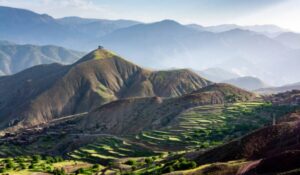
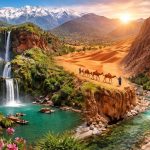
Morocco, a land of rich cultural heritage and dramatic natural beauty, offers an array of breathtaking landscapes that serve as the perfect backdrop for numerous outdoor activities. From the golden expanses of the Sahara Desert to the rugged peaks of the Atlas Mountains and the stunning Atlantic coastline, Morocco’s diverse geography caters to adventurers of all kinds.
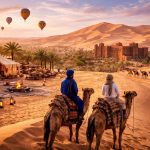
The Sahara Desert, with its vast sand dunes and star-studded skies, provides an unparalleled experience. Camel trekking is a popular activity where travelers can traverse the shifting sands, experiencing the serene beauty of the desert. Staying in traditional Berber tents enhances this adventure, allowing visitors to immerse themselves in the nomadic lifestyle. For those seeking an adrenaline rush, quad biking and sandboarding on the dunes offer thrilling ways to explore this expansive desert landscape.
The Atlas Mountains
The Atlas Mountains, stretching across Morocco, are a hiker’s paradise. The range is home to Mount Toubkal, the highest peak in North Africa. Hiking and climbing in these mountains offer stunning vistas and a sense of accomplishment. The trails vary in difficulty, accommodating both novice and experienced hikers. The best times to visit are spring and autumn when the weather is mild and the scenery is lush. The valleys and oases nestled within the mountains, such as the Draa Valley and Dades Gorge, provide lush contrasts to the rugged terrain, perfect for exploration and photography.
Morocco’s Atlantic coastline is renowned for its surf-friendly waves. Coastal towns like Taghazout and Essaouira are hotspots for surfing enthusiasts. The consistent swells and varied breaks cater to surfers of all levels. Additionally, the coastal areas offer opportunities for windsurfing, kitesurfing, and simply relaxing on the sandy beaches.
For those looking to organize these activities, numerous local tour operators provide packages and guided tours. These range from day trips to multi-day excursions, ensuring safety and convenience. It’s advisable to book in advance, especially during peak seasons. Travelers should prepare for varying levels of physical exertion and always follow safety guidelines provided by the tour operators.
Traditional Moroccan Cuisine
A journey through Morocco would not be complete without indulging in its rich, flavorful cuisine. Shaped by Amazigh, Arab, and Mediterranean influences, Moroccan gastronomy is celebrated for its distinctive spice blends and slow-cooked specialties.
Tagine : A fragrant stew of meat and vegetables, simmered to perfection with aromatic spices.
Couscous: A traditional staple, commonly paired with lamb, chicken, or seasonal vegetables.
Pastilla : A savory-sweet pastry layered with meat, almonds, and a hint of cinnamon.
Mint Tea: The ultimate symbol of Moroccan hospitality, served refreshingly sweet.
We’d love to have you with us, join the tour now and get your special discount!
Classic Morocco Group Tour – A First-Timer’s Dream
Exploring Morocco cultural heritage means stepping into a world where history, art, and tradition intertwine seamlessly. From ancient medinas to timeless festivals, every moment reveals the soul of this extraordinary land.
Join us now to enjoy a memorable adventure surrounded by some of the most stunning scenery on the planet! These experiences not only offer thrilling activities but also a deep connection with the natural beauty and cultural richness of this remarkable country.
People Also Ask
What Makes Morocco’s Cultural Heritage Unique Compared to Other Countries?
Morocco’s cultural heritage is distinguished by its seamless fusion of African, Arab, and European influences, creating a rare cultural mosaic. This blend is visible not only in architecture and cuisine but also in Morocco’s daily lifestyle, where tradition and modernity coexist in harmony.
Are there UNESCO World Heritage Sites in Morocco?
Yes, Morocco is home to several UNESCO World Heritage sites, including the Medina of Fes, the Medina of Marrakech, the historic city of Meknes, and the archaeological site of Volubilis. Each site highlights a different era of Morocco’s rich past.
How Can Travelers Best Experience Moroccan Culture?
The best way to experience Moroccan culture is through immersion, exploring local markets, joining cooking classes, attending traditional music performances, and staying in riads to feel the authentic ambiance.